

Losing power in your home can be frustrating, especially when it happens without warning. While some power cuts affect an entire neighbourhood, others are caused by electrical faults inside your property. Knowing what to check first can help you determine whether the issue is simple or if you need professional assistance.
At Emergency Electrician Services, we provide 24/7 emergency electrical repairs across London and the South East, helping homeowners and businesses restore power safely and quickly.
1. Check if the Power Outage Affects Your Area
Before inspecting your home’s electrical system, find out if the outage is widespread.
You can:
- Ask your neighbours if they have electricity.
- Check your electricity supplier’s outage map.
- Look for updates from your local network operator.
If the entire area is affected, you’ll need to wait until the supplier restores power.
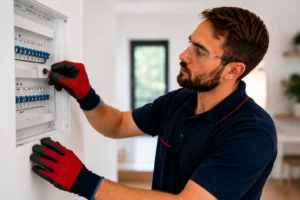
2. Inspect Your Consumer Unit
If neighbouring properties still have electricity, the problem is likely within your home.
Open your consumer unit (fuse box) and look for:
- A tripped circuit breaker.
- An RCD that has switched off.
- Burn marks or unusual smells.
Never force a breaker back on repeatedly, as this may indicate a dangerous electrical fault.
3. Unplug Recently Connected Appliances
Faulty appliances are one of the most common reasons a circuit trips.
Disconnect:
- Kettles
- Toasters
- Washing machines
- Space heaters
- Extension leads
Once unplugged, try resetting the breaker. If it stays on, reconnect appliances one at a time to identify the faulty item.
4. Check Individual Rooms
If only one room has lost power, the issue may be isolated to a single circuit.
Inspect:
- Light switches
- Wall sockets
- Ceiling lights
- Plug-in devices
This information will help an electrician diagnose the problem more quickly.
5. Look for Signs of Electrical Damage
If you notice any of the following, stop using the affected circuit immediately:
- Burning smells
- Sparking sockets
- Buzzing sounds
- Flickering lights
- Smoke
- Hot plug sockets
These signs could indicate dangerous wiring faults that require immediate professional attention.
6. Avoid DIY Electrical Repairs
While resetting a tripped breaker is generally safe, electrical repairs should always be left to qualified electricians.
Attempting to repair wiring yourself could:
- Increase the risk of electric shock.
- Cause further damage.
- Void insurance policies.
- Create fire hazards.
Always prioritise safety.
7. When Should You Call an Emergency Electrician?
You should contact an emergency electrician immediately if:
- Your consumer unit keeps tripping.
- The power will not return after resetting the breaker.
- You smell burning plastic.
- Sockets are sparking.
- Lights continue flickering throughout the property.
- Water has entered electrical equipment.
- You suspect damaged wiring.
Prompt action can prevent more serious electrical failures and reduce the risk of fire.
Why Choose Emergency Electrician Services?
At Emergency Electrician Services, we understand that electrical emergencies can happen at any time.
Our experienced electricians provide:
- 24/7 emergency call-outs
- Fast response times
- Residential and commercial electrical repairs
- Consumer unit fault finding
- Power restoration
- Socket and lighting repairs
- Safe, fully qualified electrical services
Whether you’ve lost power completely or are dealing with repeated electrical faults, our team is ready to help restore your electricity safely and efficiently.
Final Thoughts
A sudden power cut can be caused by anything from a simple tripped breaker to a serious electrical fault. By carrying out a few safe checks, you can often identify whether the issue is external or within your property.
If your power cannot be restored safely or you notice signs of electrical damage, don’t take risks. Contact Emergency Electrician Services for reliable 24/7 emergency electrical assistance from qualified professionals.
Frequently Asked Questions
1. Why has my house suddenly lost power?
A house may lose power because of a local power outage, a tripped circuit breaker, a faulty appliance, damaged wiring, or a consumer unit fault. Checking your neighbours and inspecting your consumer unit can help identify the likely cause before calling an electrician.
2. Is it safe to reset a tripped circuit breaker?
Yes, resetting a circuit breaker is generally safe if it trips only once. However, if it trips repeatedly or immediately after resetting, stop using the circuit and contact a qualified emergency electrician to investigate the underlying electrical fault.
3. What should I do if only one room has no electricity?
If one room has lost power, check the circuit breaker, test nearby sockets, inspect light fittings, and unplug connected appliances. The issue is often isolated to a single circuit and should be assessed by a qualified electrician if it persists.
4. Can a faulty appliance cause my power to go off?
Yes, faulty appliances frequently cause circuit breakers or RCDs to trip. Disconnect all recently used appliances, reset the breaker, and reconnect each appliance individually to identify the faulty device without risking additional electrical damage.
5. When should I call an emergency electrician?
Call an emergency electrician if your power will not return, your consumer unit repeatedly trips, you smell burning, notice sparking sockets, hear buzzing sounds, or suspect damaged wiring. These issues require immediate professional attention to ensure safety.
6. Can I fix an electrical power outage myself?
Homeowners should only perform basic safety checks such as inspecting the consumer unit or unplugging appliances. Wiring repairs, consumer unit faults, and electrical testing should always be completed by a qualified electrician to prevent serious safety risks.
7. How quickly can Emergency Electrician Services restore my power?
Emergency Electrician Services provides fast 24/7 emergency response across London and the South East. Our qualified electricians diagnose electrical faults, repair damaged components, and restore power as safely and efficiently as possible while ensuring your electrical system meets safety standards.
